History & Origins
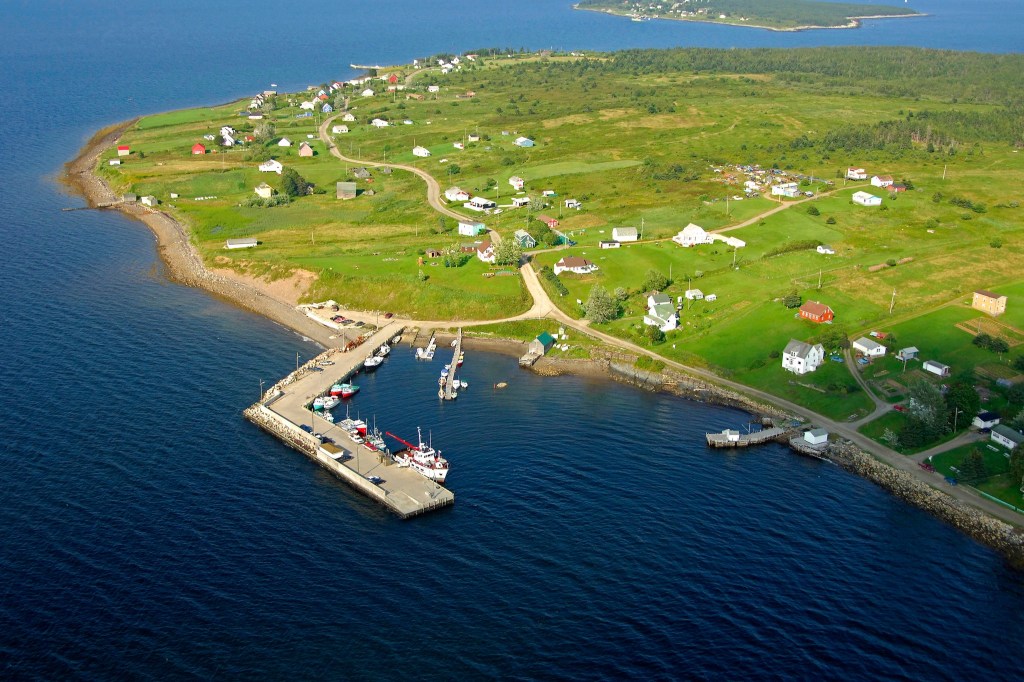
Big Tancook Island, situated in Mahone Bay, Nova Scotia, is the largest among the 365 islands dotting the bay. The name “Tancook” comes from the Mi’kmaq word uktancook, which roughly means “facing the open sea.”
In the late 18th and early 19th centuries, the island was settled by German and French (Huguenot) immigrants. Prior to European settlement, it was used by Indigenous people, especially for seasonal fishing. Over time, these settler families established small farms, fishing operations, and even sauerkraut production: Tancook cabbage became a signature crop, and sauerkraut was once a primary local industry.
Boat building was also a major part of the island’s history. In the 19th and early 20th centuries, Tancook whalers and then the distinctive Tancook schooners were built there — vessels known for their seaworthiness and elegant lines. Families like the Stevens, Heislers, Masons, and Langilles were instrumental in the boat-building tradition, launching hundreds of schooners over the decades. Eventually, though, the boat-building era declined: the last major boat shop closed in the late 1970s.
Geography, Population & Community Life
Big Tancook Island is roughly 4 km long by 1.6 km wide, with a shape that’s sometimes described as a “C.” It has a rocky shoreline, interspersed with open fields, softwood forests, small ponds, and residential properties. The island is separated from Little Tancook by a strait called “The Chops.”
Year-round, the island is home to around 150 permanent residents, which swells to about 200 in summer. Life here is quiet and tightly knit. One of the most iconic institutions is the Big Tancook Island Elementary School, one of the few remaining one-room schoolhouses in Canada. For high school, students must commute to the mainland (Chester) via ferry.
Culture, Economy & Traditions
Fishing — particularly lobster fishing — remains central to the island’s economy. Many residents are also artists, craftspeople, and small-business owners, contributing to a vibrant creative community.
The island’s cultural legacy is deeply tied to its agricultural past. For decades, cabbage farming was common, and the local sauerkraut made from Tancook-grown cabbage became quite famous. That cabbage variety is still culturally and historically important: it’s recognized in seed-saving work for its significance to regional heritage.
The boat-building tradition left a strong architectural and nautical legacy. The Tancook schooners, built on the island, became influential designs in North America.
Nature & Ecology
Big Tancook Island is not just culturally rich — it’s ecologically vibrant. According to environmental assessments, the surrounding shoals and eelgrass beds support a diverse bird population and are critical habitat for feeding and nesting. The island’s relatively undisturbed nature combined with its varied shoreline makes it an important ecological area in Mahone Bay.
Modern Infrastructure & the New Ferry
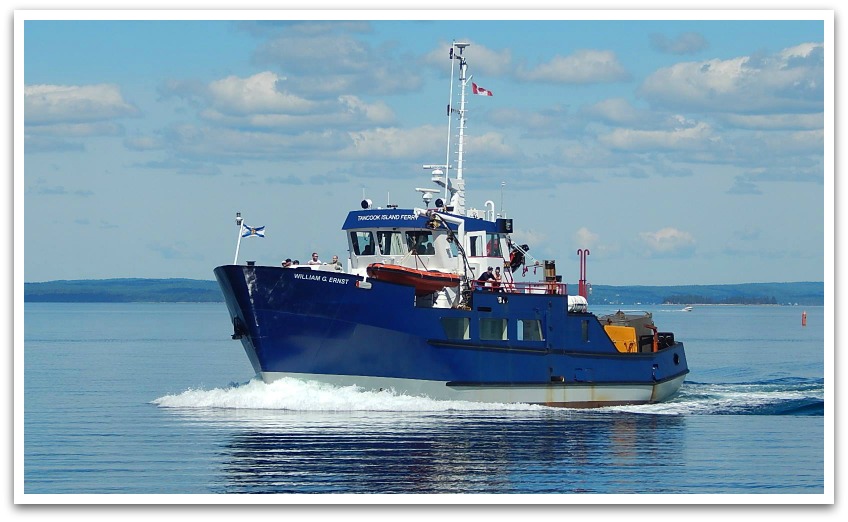
Today, Big Tancook is connected to the mainland by a passenger-only ferry, the MV William G. Ernst, which runs daily between Chester and the island. However, a major upgrade is underway: a new car-capable ferry was announced in 2020 with government backing. The new route will originate in Blandford (instead of Chester) and is expected to cut crossing time to about 30 minutes — making access easier for residents, tourists, and emergency services.
Community Spirit & Tourism
Big Tancook is known for its tight-knit and remote-feeling community, but also for its welcoming, artistic spirit. The island draws outdoor enthusiasts, birdwatchers, and people interested in heritage and slower-paced living. Geocaching and exploring the island’s nature paths are popular among visitors.
There is also a seasonal tourism presence — a small information centre, studios, and a café operate when visitors come in the summer. The island’s lack of cars (at present) and preserved natural feel make it especially attractive to those looking for a true escape.
Why It Matters & What’s Next
Big Tancook Island is a rare blend of living history, natural beauty, and resilient community. Its heritage in fishing, farming, and boat building is still visible today. With the arrival of the new ferry, the island is poised for even more connectivity — but without losing what makes it special: its peaceful rhythm, seasonal ebbs and flows, and strong sense of place.
Whether you see it as a full-time home, an investment, or a retreat, Big Tancook offers something deeply rooted: a connection to tradition and nature that’s becoming increasingly rare in modern Nova Scotia.
 Tancook Beachside Home For Sale